Optimal Water Treatment Scheduling
Water treatments are essential for maintaining water quality and ensuring the safety of water supplies. Proper timing of treatments can maximize effectiveness, reduce costs, and extend the lifespan of water infrastructure. Seasonal and environmental factors influence when treatments should be performed, with considerations for water usage patterns and water source conditions.
Spring often marks the beginning of increased water usage, making it an ideal time to perform comprehensive water treatments to prevent buildup and contamination.
Higher temperatures can accelerate algae growth and bacterial activity, necessitating timely water treatments during summer months.
Pre-treatment in fall helps prepare water systems for seasonal changes and reduces the risk of issues during low usage periods.
Winter treatments focus on preventing freezing and maintaining water flow, especially in regions with cold climates.
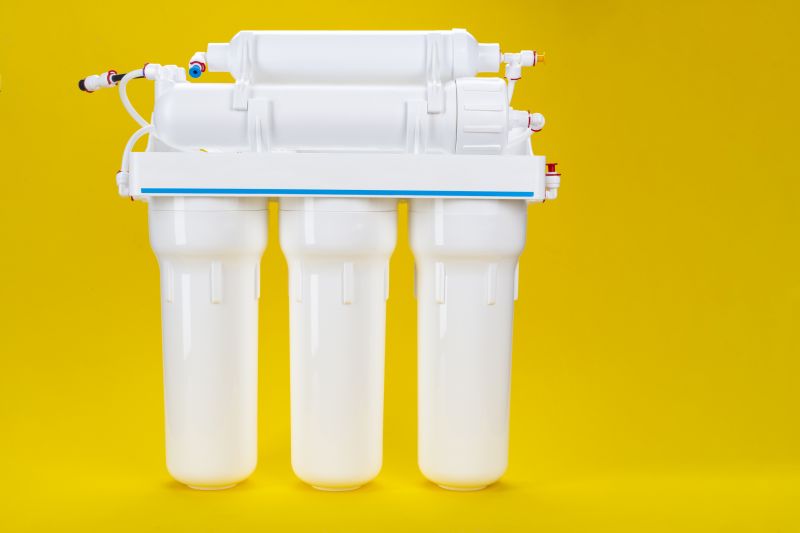
Modern equipment used in water treatments improves efficiency and effectiveness.
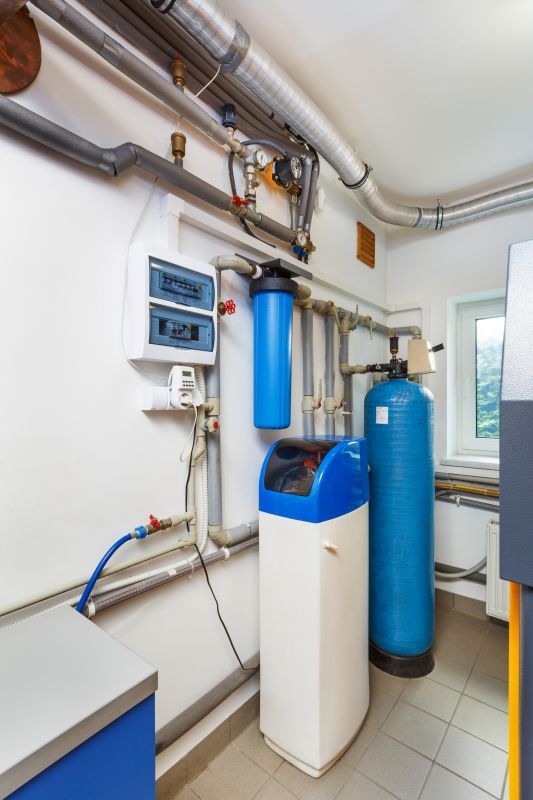
Chemical additives are used to disinfect and purify water during treatment cycles.
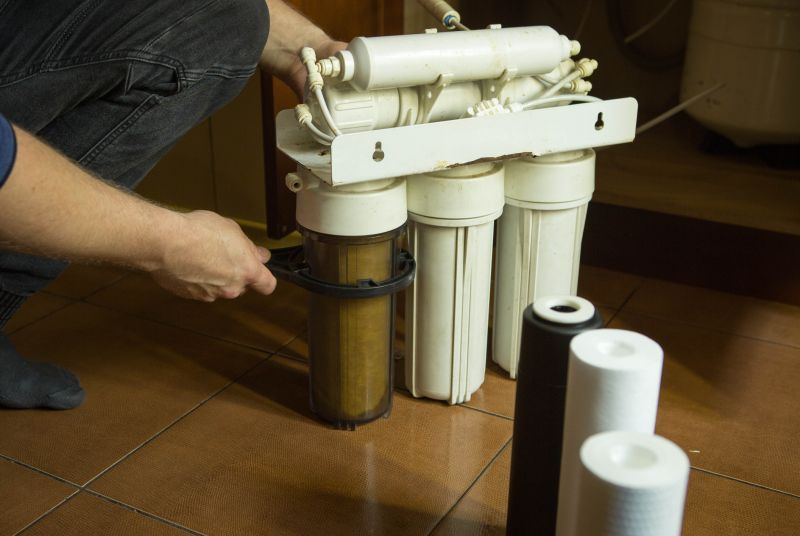
Filtration plays a key role in removing particulates and contaminants from water sources.
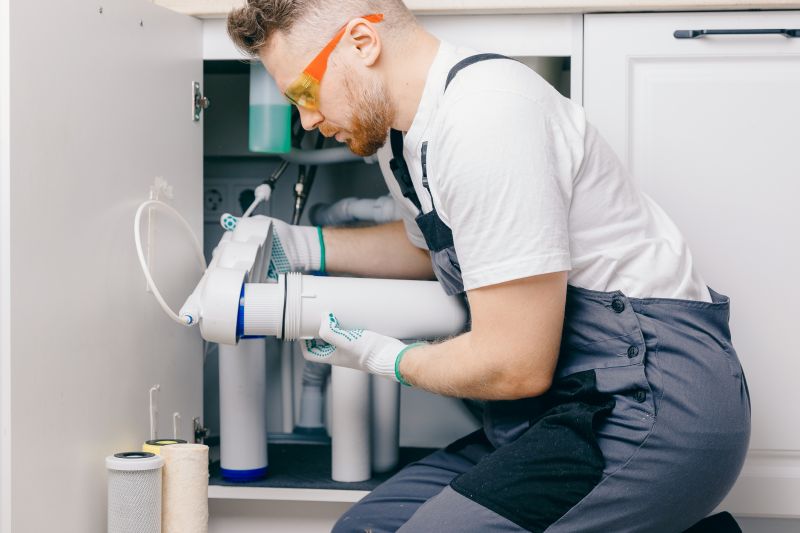
Ways to make Water Treatments work in tight or awkward layouts.
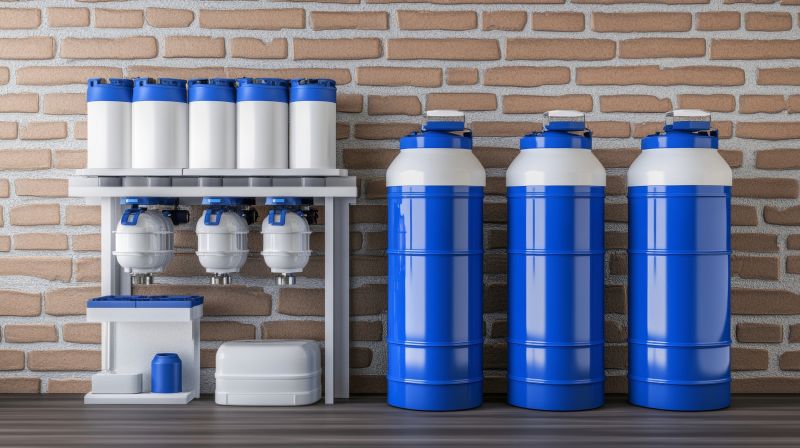
Popular materials for Water Treatments and why they hold up over time.
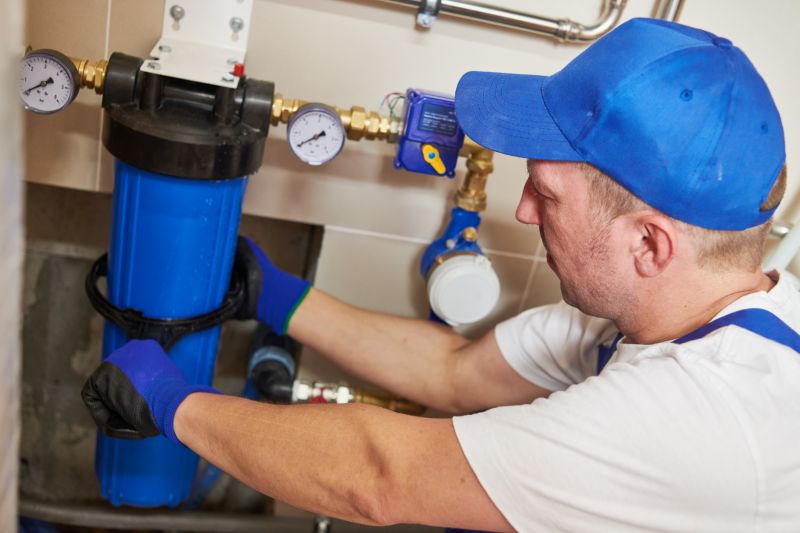
Simple add-ons that improve Water Treatments without blowing the budget.
| Season | Recommended Treatment Actions |
|---|---|
| Spring | Perform comprehensive system cleaning and disinfecting. |
| Summer | Increase algae control and bacterial monitoring. |
| Fall | Pre-treat to prevent buildup before low usage periods. |
| Winter | Focus on preventing freezing and maintaining flow. |
| Year-round | Conduct regular water quality testing and maintenance. |
Water treatments involve various methods to ensure water safety and quality, including chemical disinfection, filtration, and system maintenance. These treatments are crucial for removing harmful pathogens, reducing sediment buildup, and preventing corrosion. Statistics indicate that proper water treatment can reduce waterborne illnesses by over 90%, highlighting its importance in public health. Effective timing and execution of treatments can also extend the lifespan of water infrastructure, saving costs and reducing downtime.
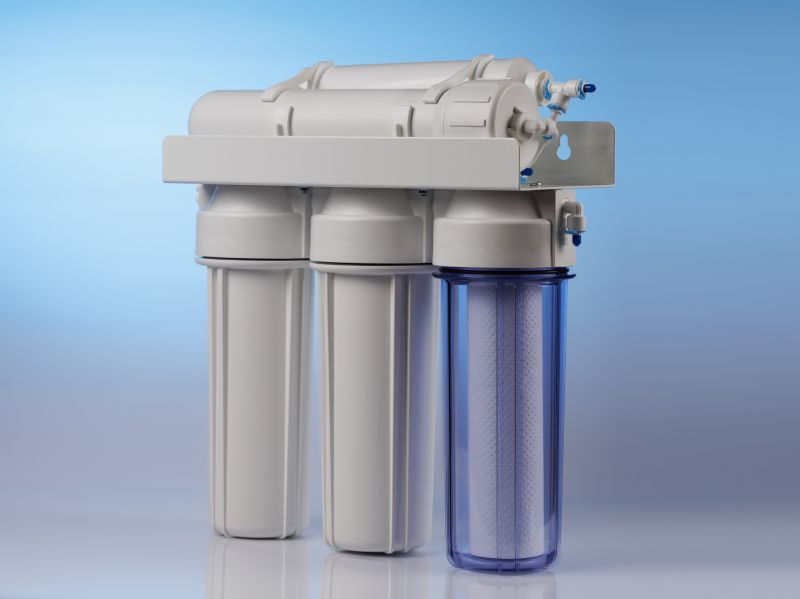
A modern water treatment plant utilizing advanced filtration and disinfection technologies.
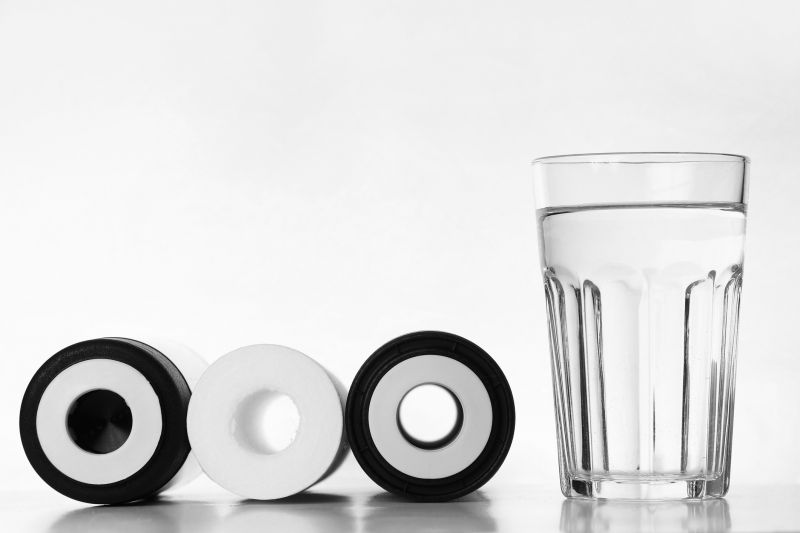
Chemical treatment processes for ensuring water safety and purity.
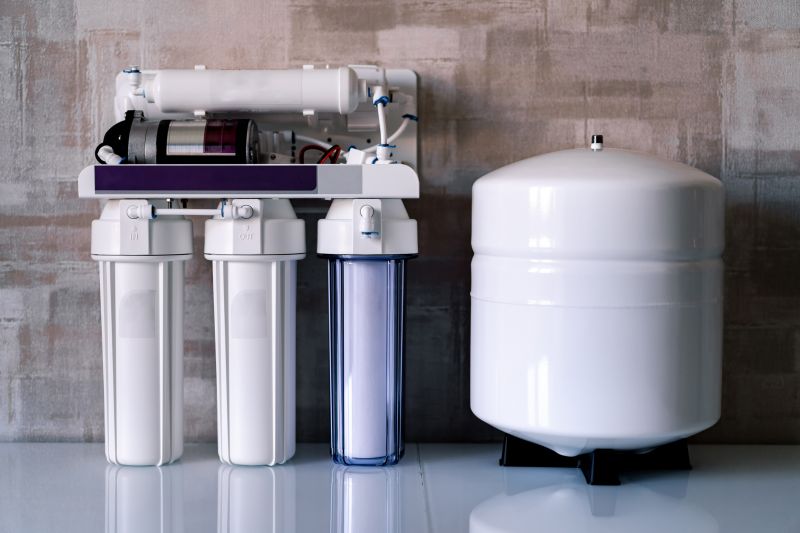
High-efficiency filtration units used in water treatment facilities.
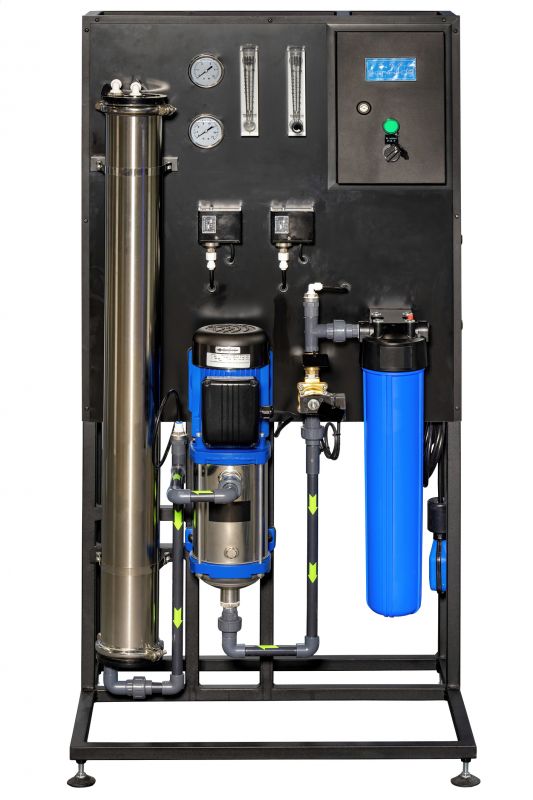
Instruments used for real-time water quality monitoring.
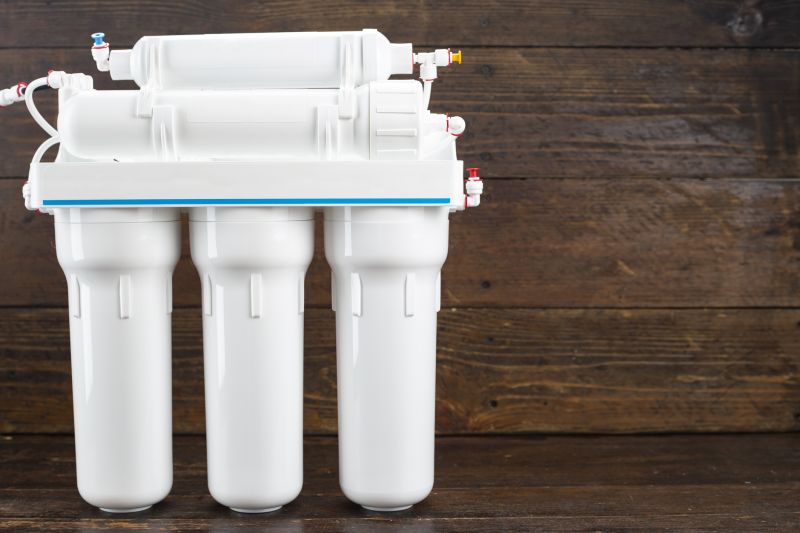
High-end options that actually feel worth it for Water Treatments.
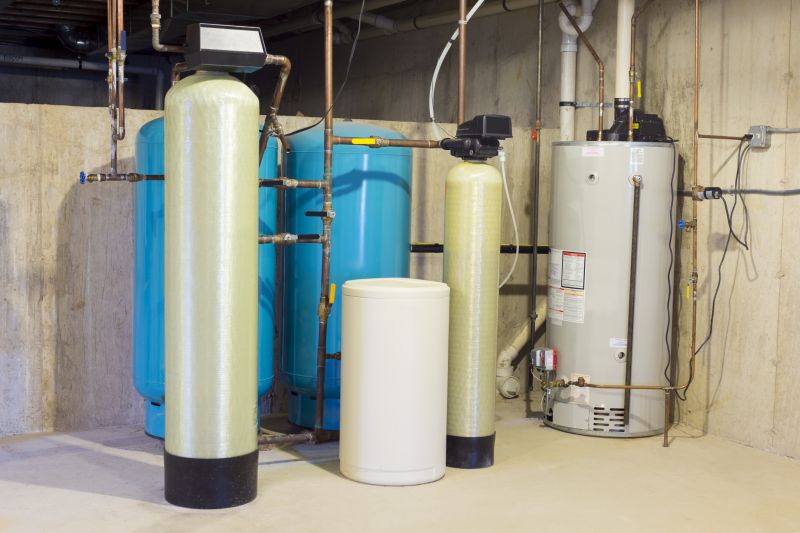
Finishes and colors that play nicely with Water Treatments.
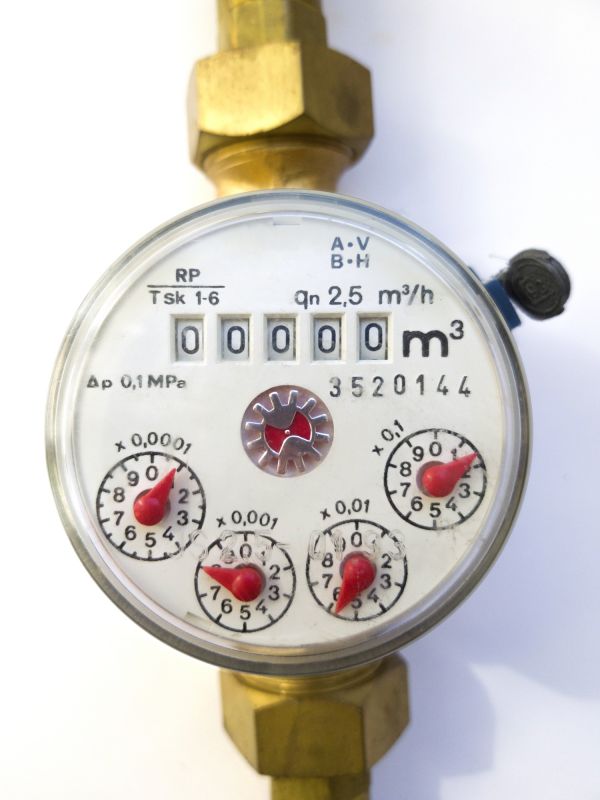
Little measurements that prevent headaches on Water Treatments day.
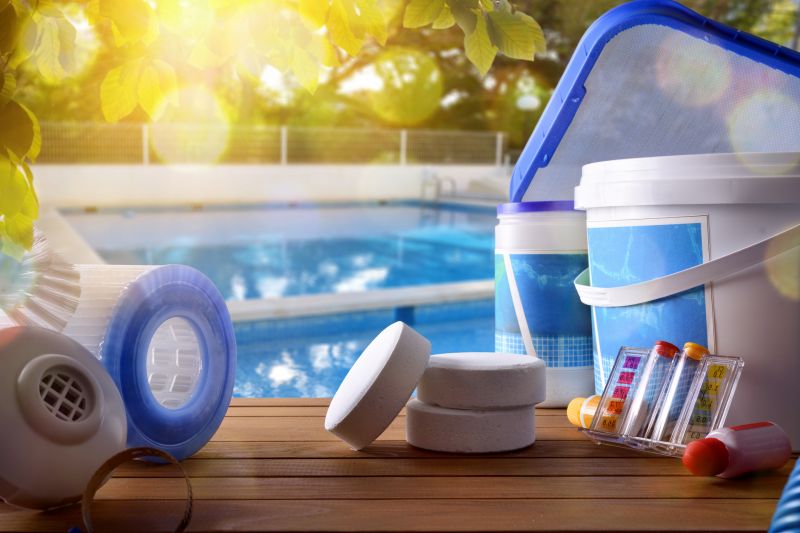
A 60-second routine that keeps Water Treatments looking new.
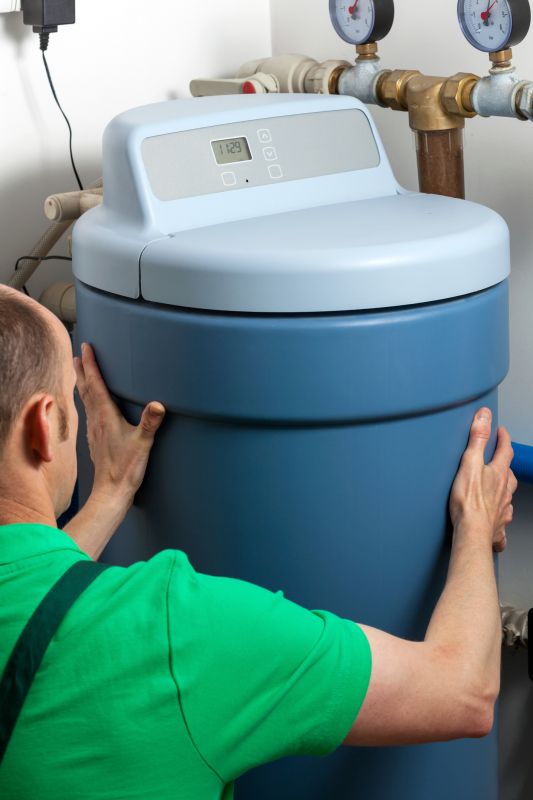
A frequent mistake in Water Treatments and how to dodge it.
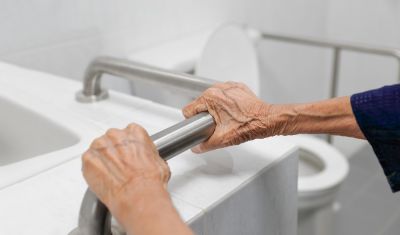
Small tweaks to make Water Treatments safer and easier to use.
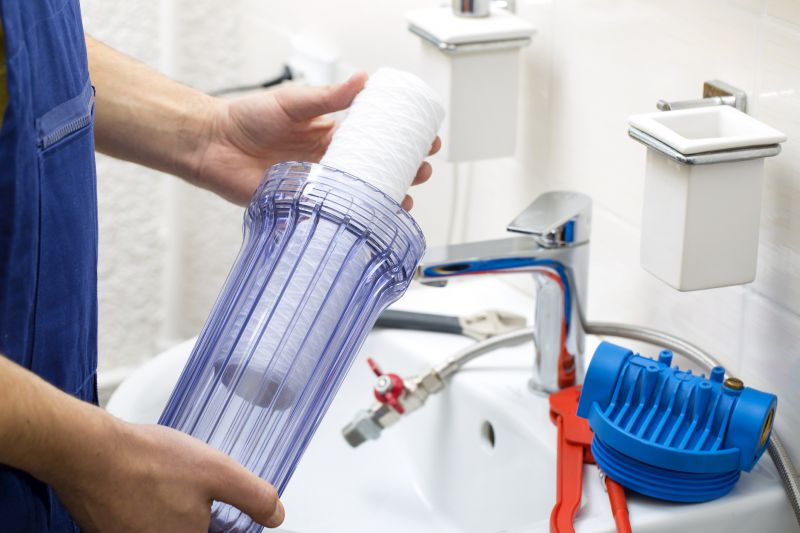
Lower-waste or water-saving choices for Water Treatments.
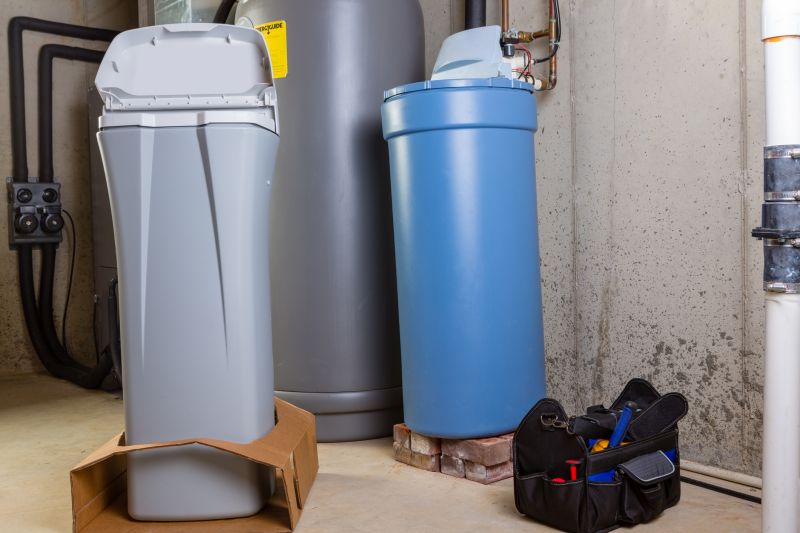
The short, realistic tool list for quality Water Treatments.
Interested in scheduling water treatments or learning more about optimal timing? Filling out the contact form can provide personalized guidance to meet specific water system needs. Properly timed treatments help maintain water quality, prevent costly repairs, and ensure safe water supply for all users.